Power surges are more common than you think—and most of them aren’t caused by lightning. Utility grid fluctuations, downed power lines, large appliances cycling on and off, and faulty wiring can all lead to damaging electrical overloads.
Surge protectors recognize voltage spikes and safely redirect excess current into the ground, away from your home’s circuitry and appliances. In particular, whole-home surge protectors are designed to intercept power surges at your main breaker panel to minimize their impact on your wiring and connected devices. Below, we’ll discuss how residential surge protectors work and why they’re a worthy investment for Florida homes.
 Quick Takeaways
- Surge protectors redirect excess voltage away from your electronics to protect them from damage.
- Whole-home surge protectors help protect appliances, electronics, and HVAC systems.
- Layering whole-home and point-of-use “power-strip” surge protection provides the best defense against power spikes.
- Most power surges originate inside the home, not from lightning strikes.
- Over time, surge protectors wear out and need replacement.
What Is a Power Surge?
A power surge is a sudden, momentary, and extreme increase in voltage. It pushes excessive amounts of electricity through your wiring, which may damage your connected devices. Electrical overloads, damaged wiring, transformer failures, switching operations, and lightning are all common sources of power surges.
Large spikes in electricity last for only a few nanoseconds but can exceed 6000 volts and lead to catastrophic damage. They are usually caused by lightning or irregularities in the power grid. Smaller power surges include any flow of electricity over 169 volts and last for a few milliseconds or longer and can put strain on your devices. These surges are usually caused by devices inside your home.
How Does a Surge Protector Protect Your Home?
Protecting your home from power surges involves diminishing their impact on your circuitry and appliances. Surge protectors work by preventing excess electricity from reaching your branch circuits, outlets, and devices. When these devices detect high voltage, they redirect the surplus electricity to ground. When the voltage is under the detection threshold, the surge protector allows electricity to flow through it normally.
All surge protectors have a numerical joule rating that indicates how much energy they can absorb without failing. The higher the number, the more protection the surge protector will provide. Most surge projectors can handle a few hundred to thousands of joules at a time. If a power spike does not exceed the surge protector’s upper limit, it will return to normal once danger has passed. Otherwise, the device will usually fail and need to be replaced.
Where Do Power Surges Come From?
Power surges have many different causes, but most of them originate inside your home, with about 20% caused by external events. Common sources of power surges include:
Large Appliances Cycling On and Off
High-powered equipment like washing machines, refrigerators, and HVAC equipment must consume large amounts of power to start up. This sudden demand for power can redirect power from the rest of your electrical system to your device and create a brief voltage spike.
Similar disruptions can happen when your appliances turn off. Over time, these surges can wear out your circuitry and devices, shortening their lifespan.
Faulty Wiring
When electrical wiring, switches, and outlets are damaged, aging, or poorly installed, they may overheat, degrade, or short circuit when large amounts of current flow through them. Fraying conductors, loose connections, and worn insulation can create instability within your circuits that leads to sudden voltage spikes.
Utility Grid Issues
Thousands of people use power day and night, creating areas and periods of peak demand. This means that utility providers must constantly redistribute power throughout the network.
When utilities perform grid switching to reroute electricity, clear faults on line equipment, or switch capacitor banks, thousands of amps of current can change their path, causing powerful voltage spikes.
Power Outages and Restoration
When your home loses power during a blackout, restoring service can flood electrical lines with current and create instability. This situation can cause a huge spike in voltage that can push a surge of energy through your wiring and appliances.
Lightning Strikes
Lightning, which can carry millions of volts of electricity, is the most extreme cause of a power surge. If lightning strikes a nearby transformer or power line or directly hits your home, it will overload your circuitry with current. An indirect strike to the ground, a tree, or a faraway utility will produce a weaker yet still damaging voltage spike.
Whole-Home Surge Protectors vs. Power Strip Surge Protectors
Whole-home surge protectors aren’t the only defense against power surges; many people use plug-in power strips to protect their devices. While both types of devices protect against excess voltage, they have some differences. As it turns out, these variances are complementary, which means that you’ll get the best protection when you install both types of devices.
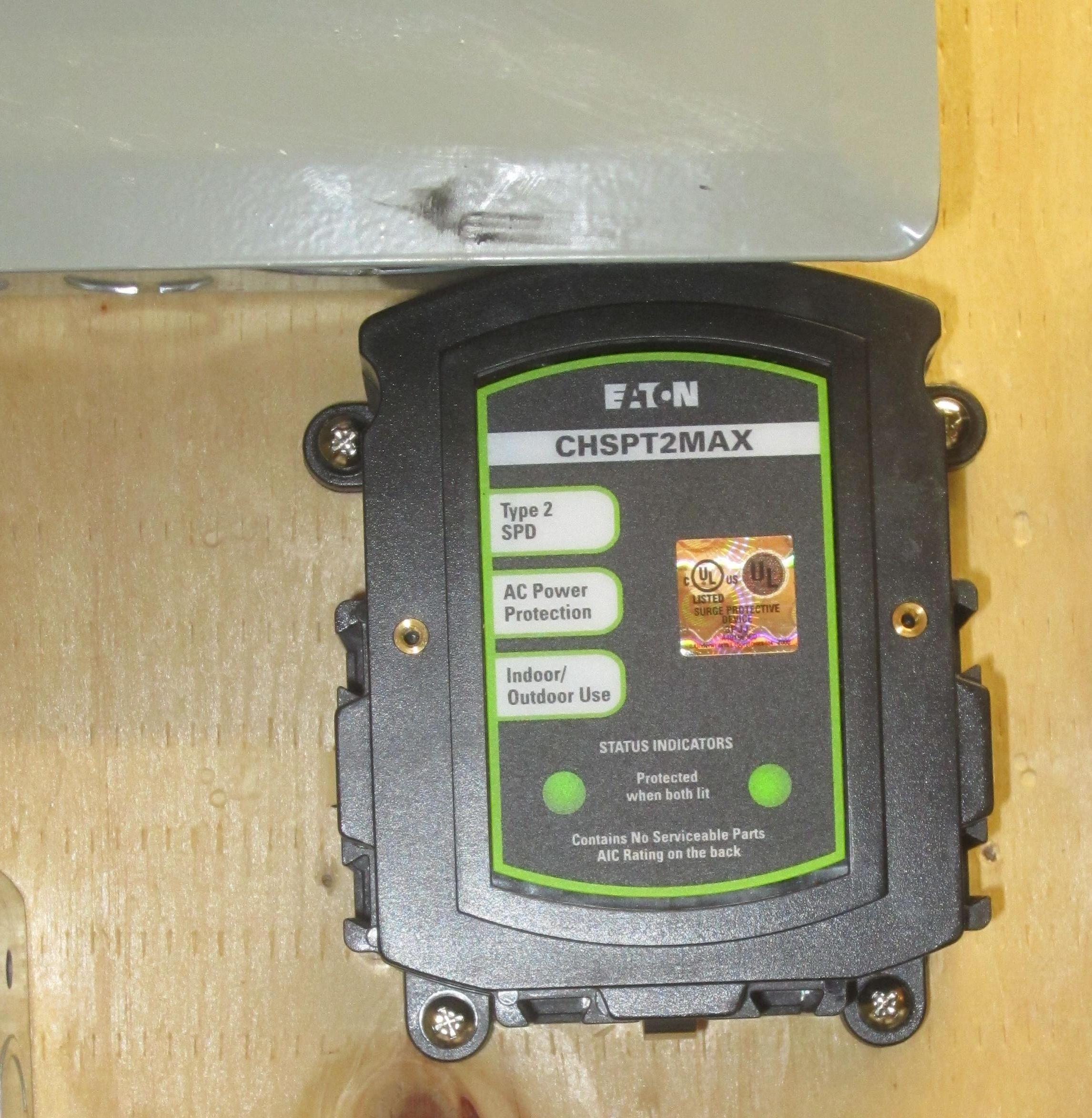
Here’s how each kind of surge protector works:
Whole-home surge protectors are permanently wired into or next to your main electrical panel and serve your entire house. They protect hardwired appliances like washers, dryers, refrigerators, HVAC systems, and smaller connected devices from both high-voltage external and lower-voltage internal power surges. These devices require professional installation. They can also fail completely if an external power surge exceeds their joule rating.
Power strip surge protectors are portable devices that anyone can use by plugging them into standard wall outlets. They can protect sensitive electronic devices like TVs and computers from lower-voltage power surges, but they cannot defend them against high-voltage external spikes or safeguard large appliances. Power strips can also break down over time and have shorter lifespans than whole-home surge protectors.
How Whole-Home Surge Protectors and Power Strips Complement Each Other
Using a whole home surge protector and power strips together provides extra fortification against voltage spikes. A whole-home unit acts as a first line of defense by diverting up to 90% of excess energy into the ground.
As the residual current passes through the panel into your circuitry, power strips intercept it before it can reach your electronics. Power strips also block smaller internal power surges from damaging devices on the same circuit.
Do Surge Protectors Last Forever?
Surge protectors don’t last forever; the excess voltage they encounter wears out their components over time. Most surge protectors use components called metal oxide varistors (MOVs) to divert excess energy to the ground. As these parts absorb heat while they work, they can get damaged and lose capacity. Small, frequent internal power surges can cause microscopic degradation that builds over time, eventually lowering the surge protector’s triggering threshold.
Major external power surges caused by a lightning strike or transformer failure can destroy a surge protector instantly. These surges can create intense, sudden heat that can melt or burn out the surge protector’s components. Once these components are compromised, your circuitry will be left unprotected and vulnerable to damage and destruction.
Signs a Surge Protector May Need Replacement
Generally speaking, whole-home surge protectors need to be replaced every ten years, and power strips need replacement every three to five years. If you experience a catastrophic power spike, you should replace your surge protector immediately.
Since surge protectors work passively until they are triggered, it can be hard to know when they stop working. Nevertheless, there are signs you can look for that indicate your device may need to be replaced.
Many whole-home surge protectors will sound an alarm or display a red error light when their internal components fail. Power strips may fail to light up or display a blinking light when they go bad. Discoloration, scorch marks, and warping are also signs of a problem.
Periodic inspections can help you determine if your surge protectors are working well and catch hidden failures. An electrician can use specialized equipment to verify that your whole-home and power strip surge protectors are fully functional. They can also check for other physical damage like frayed wires and loose plugs that can compromise the devices’ operation.
Is a Whole-Home Surge Protector Worth It?
A whole-home surge protector is your most effective defense against residential power surges. This equipment excels at protecting large and expensive essential appliances and sensitive electronics like computers. By defending against external and internal energy spikes, they safeguard your property from everything from lightning to everyday power fluctuations.
Whole-home surge protectors will prevent excess voltage from damaging sensitive electronic components in your HVAC system, refrigerators, smart devices, entertainment systems, and more. They also offer the best protection for your devices during Florida’s frequent thunderstorms, when lightning commonly causes indirect power surges to enter your home. By preventing your equipment from wearing out early or saving it from total destruction, whole home surge protectors can save you thousands of dollars in replacement costs over time.
Frequently Asked Questions
Do surge protectors protect against lightning?
Surge protectors can protect against voltage spikes caused by indirect lightning strikes by diverting the additional energy into the ground. However, if lightning directly strikes your home or another type of voltage spike overpowers your surge protector, the excess energy will bypass the device and infiltrate your circuitry. If you live in an area with heavy storm activity, an external lightning protection system is your best defense against external strikes.
Can a surge protector stop every power surge?
Although residential surge protectors are highly effective, they cannot stop every power surge. The components that divert electricity have physical limitations, and heat, wear, and extreme voltage can overwhelm their capacity.
How long does a whole-home surge protector last?
A quality whole-home surge protector typically has a five- to ten-year life span, unless it experiences a large volume of voltage spikes or sudden failure. Utility grid and household power fluctuations can cause your device to wear out quickly. Surge protectors in homes with frequent power outages or other electrical instability may wear out in about three years.
Do I still need power strip surge protectors if I have whole-home protection?
Electricians recommend using a layered protection strategy to protect against power surges. Using both whole-home surge protectors and power strips provides total protection against the initial and residual effects of a voltage spike. Power strip surge protectors help protect your most sensitive electronics against any leftover current that gets past your whole-home device.
Protect Your Home From Unexpected Power Surges
 When it comes to protecting your home from routine power surges, a whole-home surge protector is your best bet. The experts at Melbourne Mister Sparky are proud to help East Central Florida’s homeowners protect their circuitry and devices from electrical damage.
To schedule a consultation for whole-home surge protection, reach out to Melbourne’s on-time electrician. Remember, when it comes to safeguarding your circuitry, don’t put up with any malarkey! Call Mister Sparky today.